
Zirconia Implant
$1,950
USD per implant- Surgical Phase
- Placement of 1 Zirconia Dental Implant
Zirconia is a naturally white material that is strong and carries the same benefits as titanium but is 100% metal-free. This material has already been used for over 40 years for industrial purposes.
At CDS, we know that Zirconia Dental Implants are the perfect choice for patients seeking a Holistic approach to Implant placement, with allergies to Titanium, or for patients who are planning to place Implants in the aesthetic zone of the upper jaw. With Ceramic Implants there is no need to worry long term about any grey areas or shadows showing beneath the Crowns because the actual color of Zirconia is white.
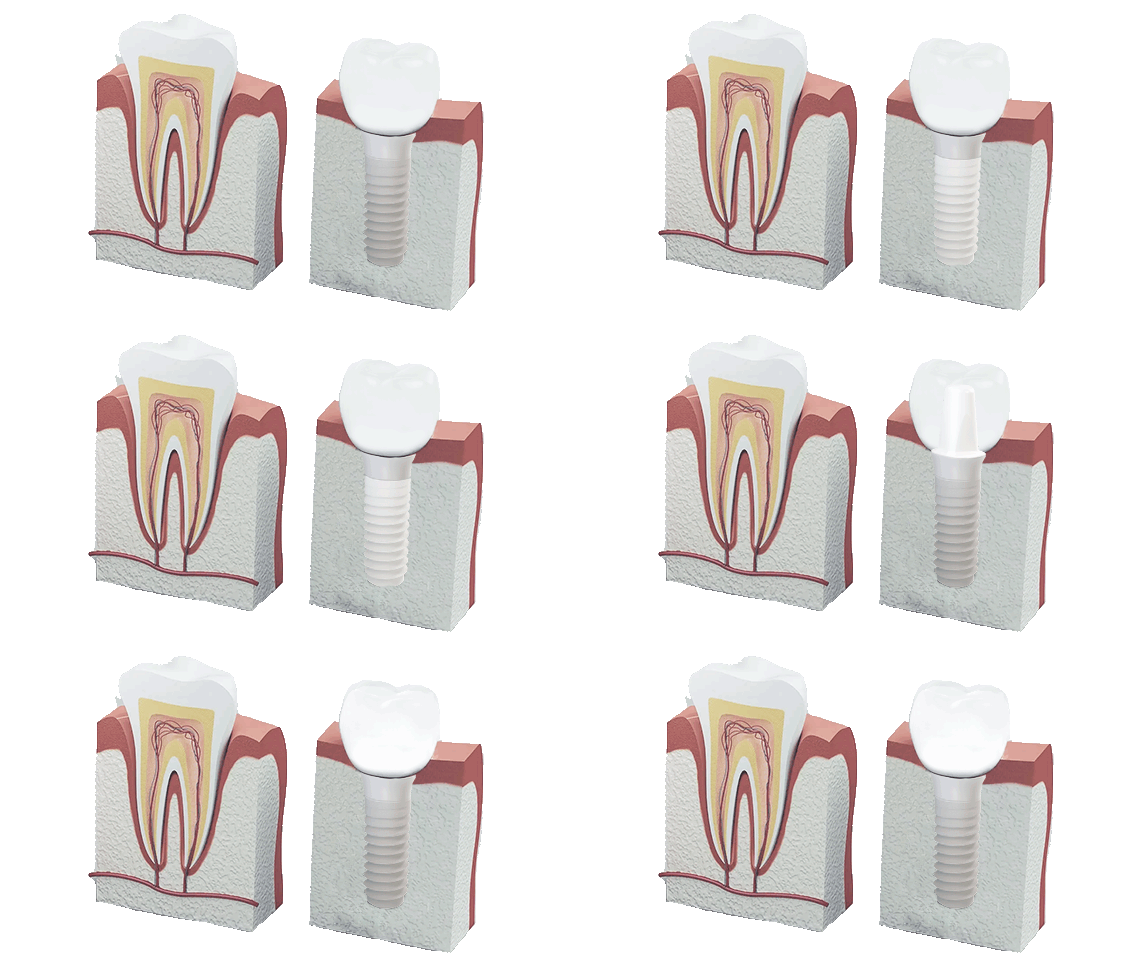
Zirconia implants achieve optimal osseointegration without any signs of inflammation or foreign body rejection. Other scientists have reported similar findings, concluding that zirconia is an ideal material for dental implants.
Ceramic Dental Implants are an ideal choice for a Smile you want to show off. Titanium Implants can show through the gums, where metal-free implants look like natural teeth and integrate with the body naturally.
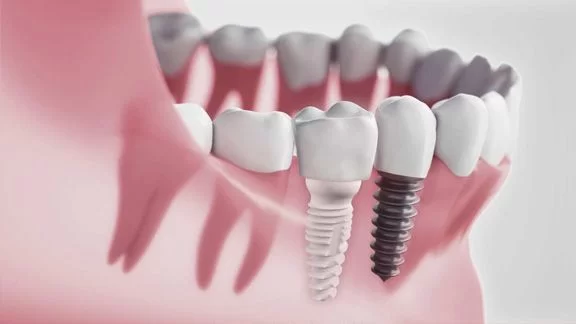
Traditional Titanium Implant Systems consist of two metal components (the implant that’s lodged into the jaw and the abutment that sits above the gumline) joined together with a fixation screw. Micro-movement can occur where these pieces meet under the extreme pressure of chewing.
This creates warm, moist places where anaerobic bacteria can colonize. It’s a perfect setup for an unfortunate cascade of events to follow: the bacteria release toxins, inducing inflammation around the implant, which can eventually lead to bone loss and the possibility of implant failure.
Over the past decades, more ceramic components have been incorporated into dentistry due to their clinically proven strength and aesthetic benefits. Not only is there a trend to include all-ceramic crowns and implant abutments in treatment plans. The implant itself is now available in a one-piece design made from biocompatible zirconia.
Zirconia Implants are hypoallergenic, which is not the case with metal implants. Surprisingly, many cases of titanium implant sensitivity show up years after surgery when itchiness and inflammation develop around implant sites. It’s a perfect setup for bone loss and the potential failure of an implant.
Today, there’s a growing number of people who have allergies, skin sensitivities, and compromised immune systems; therefore implantation of metal devices should be seriously scrutinized beforehand. This is especially important since removing a titanium implant from the jawbone is not a simple procedure.
The long-term success of Ceramic Implants is one of the most important features of this innovative system. Designed to withstand tremendous masticatory forces, CeraRoot zirconia implants mimic the best of nature with a variety of tooth-like contours and bioinert composition.
Zirconia is well known for its durability and inflexibility under pressure, an excellent combination of traits for dental devices.
Overall, zirconia implant patients experience a shorter process and the potential for increased comfort and function afterward due to zirconia’s biocompatibility and strength.
Zirconia is a biocompatible material that resists chemical corrosion. It does not conduct electricity or heat. As a bioinert material, it will never trigger chemical reactions, migrate to other sites in the body or interfere with the maintenance of optimal oral health.
Titanium is another story. It’s been scientifically proven that a titanium implant will corrode in the wet environment of a mouth, especially if there is more than one metal in the vicinity (such as amalgam fillings, alloy metal crowns, bridges, or gold onlays/inlays) to trigger reactions.
Metal corrosion is even more active in the presence of fluoride, which is found in some water supplies, toothpaste, and mouthwashes. Fluoride literally attacks the surface of titanium implants.
Most treatments are provided in two trips of a 7 day stay in Cancun. Affordable Zirconia Dental Implants without compromise.
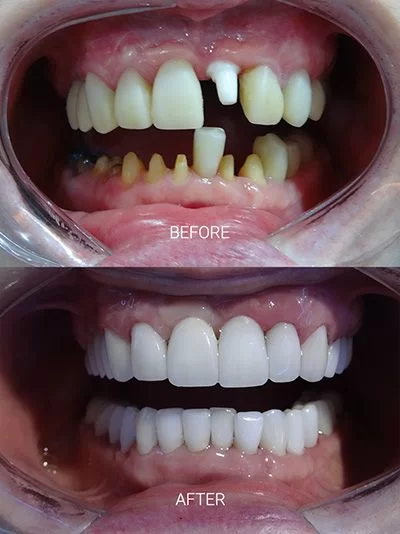
Zirconia implants can be ideal for people who have thinner gingival tissues, and they may be a good solution for people who wish to have a metal-free dental implant. Also, it is extremely rare for people to have allergies to titanium dental implants. However, some people may be sensitive to other metals present in the alloy and could have concerns about having any type of metal in their bodies. The natural white color of zirconia is aesthetically appealing, and zirconia implants can help preserve the bone and promote better gingival health.
The gum tissue around ceramic materials tends to be healthier, largely because zirconia is inert and doesn’t corrode. One study assessing Straumann ceramic implants in animals found a reduced pocket depth and higher soft tissue attachment compared to an ordinary titanium implant.
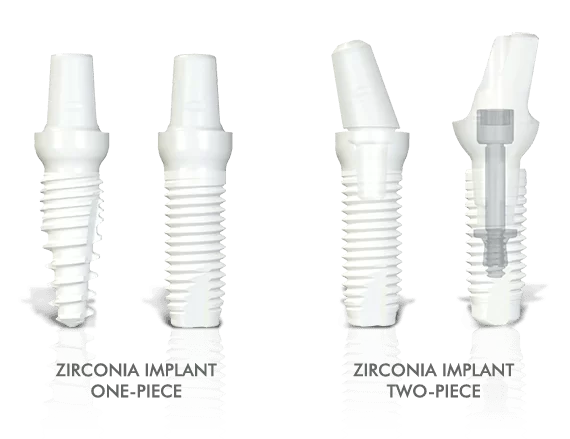
The first zirconia dental implants were a one-piece design that, although hygienic and good for soft tissue health, meant they could not heal underneath the gums. The one-piece design could create problems if chair-side adjustments were required.
While zirconia is a very strong material when subjected to compressive forces, its elasticity is quite low. If adjustment is needed, this could lead to the formation of micro-cracks that may ultimately cause the failure of the dental implant. Where a small diameter implant is used, low elasticity might cause problems as the possibility of the implant fracturing may increase.
Top implant manufacturers have designed and produced implants to mitigate these risks using high-performance zirconia (Y-TZP). Two-piece zirconia dental implants are now available, making it easier for these dental implants to be left undisturbed while osseointegration is completed. This also allows abutments to be customized, all without compromising the strength of the implant.
The consultation fee includes 3D CBCT X-Rays, Periapical X-Rays, intra-oral scanning, surgical guides, models. We offer you a state-of-the-art facility with specific technologies to perform these treatments with precision in short time frames and even transportation from the airport, and to your hotel and appointments in Cancun.
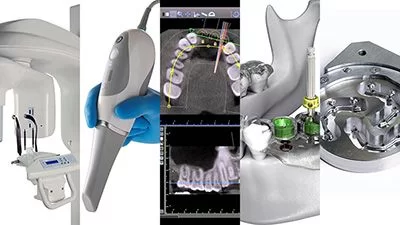
To diagnose, plan and execute your dental implants treatment accurately and in shorter times, our dental clinic has the following equipment: 3D CBCT Extra-oral panoramic X-Ray machine (a Carestream CS 9200 3D Machine), Intra-oral scanners, NAVIDENT, surgical guides, and our own full-equipped CAD/CAM laboratory.
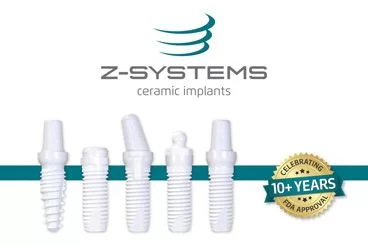
All Z-SYSTEMS zirconia dental implants are made from TZP- A Bio-HIP® zirconium oxide. The material reaches its flexural strength, which is higher by far than conventionally used titanium.
Zirconium oxide is known to be highly biocompatible, comparable bone integration to commercially pure titanium.
$1,950
USD per implant$450
USD per crownAs a result of your initial evaluation, certain additional treatments might be necessary to complete your dental work, you can find the prices for them below:
| Simple Extraction | $60 USD per extraction |
|---|---|
| Bone Graft | $350 per CC |
| Reabsorbable Membrane | $100 USD per membrane |
| Aveloplasty / Bone Remodeling | FREE CHARGE |
| Intravenous Conscious Sedation / Analgesic | $500 USD |
|---|---|
| Nitrous (Laughing Gas) | $250 USD |
| Local Anesthesia | FREE CHARGE |
Best Holistic Option for Patients
Surgical & Restorative Phases


Oral and systemic health assessment • Facial esthetic evaluation • X-Rays, Panoramic, 3D CBCT Scan (full in-house equipment) • Wax-up (important for an aesthetic outcome for your implant treatment) • Informed consent • Treatment options (restoration materials, implants) • Treatment alternatives.
Our specialists always plan these cases with the most advanced implant planning software • Instruction and motivation on maintaining proper oral hygiene (antibacterial mouthwash, such as Chlorhexidine 0.12% is recommended) • Record of maxillomandibular relations and occlusion • Impression used for fabricating the provisional prosthesis • Surgical guide 3-D printed in-office • Medication (antibiotics and sometimes sedatives)
Local anesthesia is always required (at no cost) • We recommend conscious sedation for these procedures (certified anesthesiologist $500 USD) • Pill Sedation (at no cost) • Choose what option is best for you.
Teeth extraction, Aveloplasty (bone leveling removal of infected tissue) • Alveolectomy (when ridge crest is displayed during smiling) • Bone grafting procedures.
Implant number, position, and design (diameter, length) • Usually, first the mesial implants are placed and last the distal implants • Exposure of implant site – flap or flapless technique.
Bone grafting (socket grafting, with autograft and synthetic alternatives, with or without membrane) • Suture.
Abutments selection (angulation) • Impression and record of maxillomandibular relationship • Design – dental arch length (number of teeth, usually 12 per arch) • Materials – acrylic or PMMA
Radiological exam • Instructions for oral hygiene, diet (soft diet, for at least 10 weeks), and medication (antibiotics, analgesic drugs) • Informing about the need to make an appointment if bleeding, pain, implant mobility, detachment, or damage of the prosthesis occur • Establishing the next appointment.
Before surgery (three weeks)
Smoking and dental implants don’t go together. Smoking Is The Main Factor For Dental Implant Failure? We know smoking can be difficult to quit but we insist that patients stop smoking at least three weeks before their dental implants.
On unusual occasions, we would ask you to stop smoking sooner, because it can interfere with your recovery, by reducing blood flow, which may prevent the incision from healing. We Highly Recommend You Quit Smoking Once You Commit To Your Dental Treatment.
Before surgery (three weeks)
We know you will be on vacation and the all-inclusive bar might be tempting. You must stay away from any alcoholic beverage for a minimum of five days before your procedure. Alcohol causes increased bleeding, and the chances of infection, as well as depress immune functions and might interfere with wound recovery.
Over-the-counter and prescribed
Please check with your physician about suspending any medication prior to arrival. We Have No Knowledge Of Your Medical History Prior To Your Arrival To Cancun It Is Very Important You Contact Once Of Our Dental Coordinator And Let Them Know What Medicines You Are Taking. Sometimes We Will Ask For A Letter From Your Physician To Suspend Certain Medication During Procedures Or Healing Process.
Before surgery (three weeks)
It is essential that you maintain a healthy food plan. You will be on a soft mechanical diet or modified and adapted to your surgery, so you must follow these instructions. Get protein supplements like Ensure or Boost, as well as soft foods like well-cooked pasta, yogurt, eggs, broths, and soup. We will provide you with a list of dietary suggestions in your post-op packet as well.
Before surgery (two weeks)
Important These medications may cause excessive bleeding.
Before surgery (two weeks)
During this period, we recommend you to take:
Before surgery: One week, until two weeks after surgery
You must eat:
Important Your food plan can useful resource for healing remarkably and decreasing swelling and pain.
Before surgery (one week)
Standards of good oral hygiene are critical for the success and functionality of the implants and restoration. The best way to prevent infection and ensure healing is to keep your mouth clean. Clean your mouth thoroughly after each meal beginning the day after surgery.
Use a soft-bristle toothbrush and toothpaste after meals and at bedtime. The use of a dental Waterpik is highly recommended to irrigate underneath the denture to flush out debris.
After a dental implant surgery is normally pink or blood-tinged saliva for two or three days and does not indicate any problem, even minimal bleeding is expected. In this case, the best way to stop it is by placing a damp piece of gauze and softly biting for 30 minutes while rest keeping your head elevated.
In case the bleeding continues, repeat the gauze step for an additional 30 minutes. The suture material may last from two to three weeks, and you should not pull or cut the sutures by yourself.
After any surgery, swelling is a normal reaction of the body and the first step to healing. In the beginning, swelling will not become visible until 24 hours after your dental implant surgery, and couldn’t reach its peak for two or three days. After this period, the swelling decreases but may persist from seven to 10 days.
You can minimize swelling by applying immediate ice packs to the outside of the face for 20 minutes on, and then 20 minutes off while awake for the first 24 hours.
First of all, remember that all medications must be prescribed and should not exceed the recommended dosage. Because most oral surgery is followed by some amount of discomfort, the surgeon may suggest taking any anti-inflammatory, non-steroidal medication (only if YOU ARE NOT ALLERGIC to it), before the local anesthetic wears off.
In case of intense pain, you should require calm pain medication under prescription, which will cause you to feel drowsy, so you shall not operate any mechanical machinery or drive while taking the prescription. About the post-operative antibiotics, they must be taken as directed and the entire course of the prescription.
For the first weeks after your dental implant surgery, you could also be prescribed an antibacterial mouth rinse which must be used two times a day.
We suggest starting with liquids, after a general anesthetic or conscious IV sedation, and must avoid hot meals or hot liquids while numb. The limited food intake that is required for the first days could be compensated by increasing the fluid intake, with high protein shakes to replace meal supplements.
For the first six weeks you must follow a soft chew diet, so if you cannot cut easily any food, please avoid eating it.
8 hours after your dental implant surgery
For the first 48 hours after your dental implant surgery, you must rest and relax without any physical activity. After these 48 hours, you should resume activity as tolerated.
Eat:
Drink:
When numbness is gone you can increase diet as tolerated by adding soft food
Please watch what our patients have to say regarding their Zirconia Dental Implants
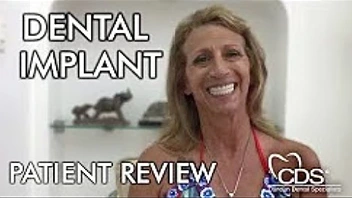
Because by choosing your dental implants in Mexico, you will enjoy savings up to 70% off than in the U.S.A. and Canada, state-of-the-art facilities, accurate, faster dental treatments by certified specialists and even travel assistance.
The actual implant process is done in one day, but we like to have a few extra days so that we can check on your progress before you go home (five to seven days). The more time you can give us the better (for complicated cases including extractions, full mouth cases, or upper and/or lower dentures needed seven days minimum).
We like to factor in a small margin of error in case you need your denture adjusted or to fix a loose stitch, whatever the case may be.
We are not the type of clinic to get you in and out of the door as soon as possible, the doctors want to make sure that your healing correctly before you return home.
This is called immediate load and it is possible for people who are candidates. You must have very good bone quality but even then, we cannot tell if you are eligible for an immediate load until the actual surgery.
If it is possible and this is what you want then we will do so, but if the risk of failure is too high we will not risk it. We want the nest outcome for your case.
Yes, the implant needs time to integrate with the bone before we can rehabilitate it. This usually takes about 4-6 months.
If you cannot come back what we can do is send you home with the corresponding abutment so you can have it placed at home when you are ready.
We Guarantee our work for 5 years. If there is a problem that arises due to a fault on our end we will replace the implant at no cost.
We work with Z-SYSTEMS. All of these implants are are made from TZP- A Bio-HIP® zirconium oxide. These are the same implants that the U.S and Canadian dentists use, and is not some cheap material.
Yes this is possible, but it would depend on your remaining bone structure after extraction. In a lot of cases we will place the bone graft and implant after extracting the tooth.
We would have to see an x-ray in order to determine this for certain. In these cases some bone grafting and membrane is usually required.
We use good quality material on our dental implants, so unlike some other clinics in Cancun, we cannot slash our prices.
We also provide all of your transportation once you arrive in Cancun so that you do not have to spend extra cash on taxis and buses.
Also, keep in mind that our prices are all-inclusive, so we do not charge you for periapical X-Rays, consultation, dental related tests, specialist fees, taxes among others.
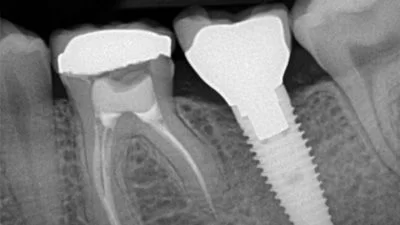
Titanium has the best osseointegration rates in Implant Dentistry and has years of studies showing positive results. Titanium Implants used in our practice include Straumann, Nobel Biocare, Bicon, MIS, amongst others. A full evaluation including 3D X-Rays will determine which brand and size would be best for your case.